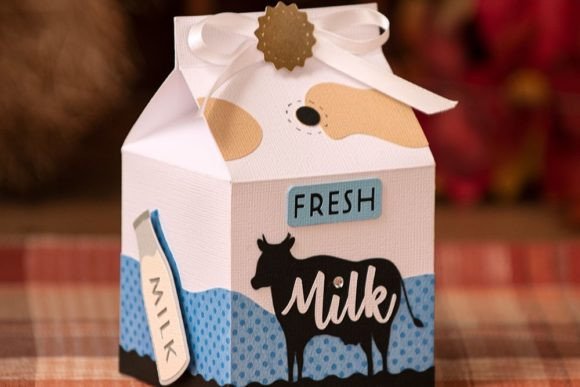
Strategic Packaging Design: Leveraging the Milk Treat Box for Brand Impact
In the landscape of modern gifting and small-scale product distribution, the difference between a forgettable handout and a memorable brand interaction often lies in the details of presentation. The Milk Treat Box represents more than just a container; it is a strategic tool for creators, educators, and small business owners looking to elevate their customer experience through thoughtful design. By mimicking the iconic silhouette of a classic milk carton, this packaging solution taps into a vein of nostalgia while offering a clean, customizable canvas for branding and personalization. When approached with intention, the use of such a distinct structural design can significantly enhance perceived value, streamline operational workflows, and foster deeper emotional connections with your audience.
For entrepreneurs and marketers, the decision to adopt a specific packaging format should never be arbitrary. It must align with broader goals regarding brand positioning and logistical efficiency. The Milk Treat Box, available as an SVG file for digital cutting machines, offers a unique opportunity to bridge the gap between mass-produced aesthetics and bespoke craftsmanship. Its dimensions—approximately 5.25 inches in height with a 3.25-inch square base—make it ideally suited for high-margin small goods, from artisanal confections to curated party favors. However, the true utility of this asset emerges when it is integrated into a cohesive planning strategy rather than used as an afterthought.
Aligning Structural Design with Brand Narrative
The visual language of your packaging communicates volumes before a customer ever interacts with the product inside. The milk carton shape is universally recognized, carrying connotations of freshness, simplicity, and wholesomeness. Utilizing the Milk Treat Box allows you to leverage these existing associations while imprinting your own narrative onto the surface. Because the design is delivered in SVG format, it is fully compatible with standard 12x12 cutting machines, granting you the flexibility to experiment with various materials without being locked into a single supplier's inventory.
Consider the strategic implications of material selection. The supply list for a robust production run might include diverse cardstock options such as Encore Cardstock in White, Ash, Black, Latte, Pacific, Stone, and Vanilla. Each color choice sends a different signal. A "Latte" or "Stone" finish might suggest an earthy, organic brand identity, appealing to eco-conscious consumers. Conversely, pairing the structure with Satin Gold Foil paper and blue dotted pattern paper can shift the perception toward luxury and celebration, ideal for high-end corporate events or premium holiday gifts. The ability to mix these textures—combining matte cardstock with metallic accents—enables a level of tactile engagement that flat packaging simply cannot achieve.
Furthermore, the clean lines of the Milk Treat Box serve as an excellent foundation for customization. Whether you are a blogger sending out press kits or an educator preparing student rewards, the surface area is prime real estate for stamps, stickers, or hand-lettered messages using a black gel pen. This adaptability means you can maintain a consistent structural brand element while varying the decorative elements to suit specific campaigns, seasons, or individual recipients. This balance between consistency and variation is key to maintaining brand recognition without becoming stagnant.
Operational Efficiency and Production Planning
Adopting a digital cut file like the Milk Treat Box requires a shift in operational mindset. Unlike ordering pre-made boxes in bulk, which ties up capital and storage space, producing your own packaging on demand offers agility. However, this approach demands precise planning. To execute this effectively, one must account for the material yield from standard sheet sizes. For instance, optimizing a project might require two sheets of 12x12 white cardstock alongside several 8.5x11 sheets of colored stock. Understanding these ratios is critical for cost control and waste reduction.
The inclusion of a PDF legend with the design file is a crucial component for maintaining quality control, especially if you are scaling production or delegating tasks to a team. This document helps identify pieces quickly, ensuring that the Ash cardstock is not confused with the Stone cardstock during the assembly phase. In a busy workshop or classroom setting, this clarity prevents errors that could compromise the final aesthetic. Moreover, the availability of a step-by-step video tutorial reduces the learning curve, allowing staff or volunteers to reach peak productivity faster. This investment in clear instructions pays dividends in reduced assembly time and higher consistency across units.
When planning your production schedule, consider the resizing capabilities of your software. While the original design is optimized for specific dimensions, the ability to scale the Milk Treat Box allows you to adapt to different product sizes. However, a word of caution: resizing can alter the structural integrity if the tab proportions are not adjusted accordingly. It is advisable to test a prototype whenever significant scaling occurs to ensure the glue tabs and fold lines still function as intended. This iterative testing process is a hallmark of professional operations and prevents costly mistakes during large-scale runs.
Enhancing Customer Experience Through Tactile Engagement
In an increasingly digital world, physical touchpoints carry disproportionate weight in shaping customer perception. The act of assembling or opening a well-crafted box creates a moment of pause and appreciation. The Milk Treat Box facilitates this by inviting interaction. The addition of embellishments like ink rhinestones or satin ribbon (specifically 1/4" thickness) transforms a simple container into a keepsake. For small business owners, this extra layer of detail can justify a higher price point or encourage social media sharing, effectively turning customers into brand ambassadors.
Think about the unboxing experience as a narrative arc. The exterior sets the expectation, the opening mechanism builds anticipation, and the interior reveals the reward. Using Zots or strong glue ensures that the box remains secure during transit, preserving the surprise until the right moment. For event planners, filling these boxes with themed treats creates a cohesive party atmosphere. For educators, they serve as tangible rewards that students value more than a simple sticker. The versatility of the design supports a wide range of use cases, from school fundraisers to corporate client appreciation gifts.
However, the effectiveness of this strategy relies on context. A gold-foiled milk carton might feel out of place at a casual backyard barbecue but would be perfect for a wedding favor. Strategic alignment means matching the complexity of the packaging to the significance of the occasion. Over-engineering a simple gesture can seem pretentious, while under-delivering on a high-stakes gift can appear negligent. The Milk Treat Box sits in a sweet spot where it is substantial enough to feel special but simple enough to remain approachable.
Risk Mitigation and Intentional Implementation
While the benefits of custom packaging are clear, there are risks associated with implementing the Milk Treat Box without a clear framework. The primary risk is inconsistency. Without standardized processes for cutting, scoring, and gluing, the final products may vary widely in quality. This is particularly relevant when working with different cardstock weights; a heavy foil paper behaves differently than a lightweight patterned paper. Decision-makers must establish quality benchmarks and train their teams accordingly.
Another consideration is time management. Hand-assembling boxes is labor-intensive. If you are a solopreneur, you must calculate the return on investment for your time. Does the enhanced brand image justify the hours spent folding and gluing? For some, the answer is yes, as the customization adds unique value that competitors cannot easily replicate. For others, it may be more strategic to reserve this level of detail for VIP clients or limited-edition releases, using simpler packaging for everyday transactions. This tiered approach allows you to maximize impact while maintaining operational sustainability.
Additionally, reliance on specific materials can introduce supply chain vulnerabilities. If your design depends heavily on a specific shade of "Pacific" cardstock or "Satin Gold Foil," ensure you have reliable sources or backup options. Diversifying your material palette not only mitigates risk but also keeps your creative output fresh. The Milk Treat Box design is robust enough to handle various substitutions, provided the core structural requirements are met.
Long-Term Value and Creative Growth
Ultimately, the adoption of tools like the Milk Treat Box should be viewed as part of a long-term strategy for creative growth and brand development. It encourages a mindset of resourcefulness and attention to detail. By mastering the nuances of digital cutting files, material properties, and assembly techniques, creators build a skill set that translates to other areas of their business. The discipline required to produce high-quality handmade packaging fosters a culture of excellence that permeates all aspects of operation.
Moreover, the data gathered from these initiatives can inform future decisions. Which color combinations received the most positive feedback? Which events yielded the highest engagement when these boxes were used? Tracking these outcomes allows for continuous improvement. The Milk Treat Box becomes not just a vessel for goods, but a vehicle for learning and refinement. As you iterate on your designs and processes, you develop a distinctive style that sets you apart in a crowded marketplace.
In conclusion, the Milk Treat Box is a versatile asset that, when used strategically, can significantly enhance branding, operational efficiency, and customer satisfaction. It requires thoughtful planning, a keen eye for detail, and a commitment to quality. By understanding the interplay between design, material, and context, professionals can leverage this tool to create meaningful experiences that resonate with their audience. Whether for a holiday campaign, a school event, or a daily business operation, the intentional use of this charming packaging solution offers a practical path to achieving better results and fostering lasting connections.