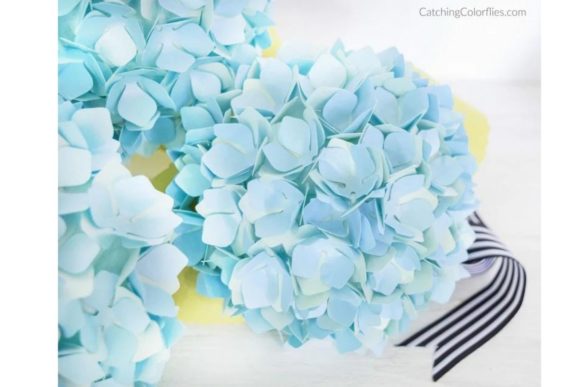
Streamlining Floral Design: A Practical Guide to Hydrangea Paper Flower Templates
In the world of professional crafting and creative entrepreneurship, consistency and efficiency are the cornerstones of a sustainable business. Whether you are a wedding planner coordinating centerpieces, an educator teaching fine motor skills, or a hobbyist looking to elevate your home decor, the transition from concept to finished product requires reliable assets. This is where Hydrangea Paper Flower Templates become an essential component of your workflow. Unlike freehand cutting, which introduces variability and time consumption, utilizing precision-engineered templates allows for scalable production without sacrificing the organic beauty of the final piece.
The integration of digital templates into a physical crafting process represents a modern approach to traditional art forms. By leveraging files designed for both manual cutting and automated machines, creators can bridge the gap between digital planning and tangible execution. The specific utility of these hydrangea assets lies in their versatility; they are not merely images but functional tools designed to interact seamlessly with various stages of project management, from material procurement to final assembly.
Integrating Digital Assets into Your Production Workflow
When approaching a large-scale project, such as creating a floral backdrop for an event or producing inventory for a boutique, the preparation phase is critical. Hydrangea flower templates plus leaf designs serve as the foundational blueprint for this stage. Before a single sheet of cardstock is cut, these files allow you to visualize the scope of the project. Because the templates are provided in multiple formats—PDF, SVG, and PNG—they fit naturally into diverse operational environments.
For the solo creator or small business owner working with limited equipment, the Printable PDFs offer an immediate start. These files are optimized for standard 8.5 x 11 inch paper, ensuring compatibility with home printers and local print shops alike. This eliminates the need for specialized plotting software just to get started. You can print a test batch on scrap paper to verify scale and shape before committing your premium materials. This "test and refine" step is a crucial quality control measure that prevents material waste, a common pain point in paper crafting businesses.
Conversely, for those scaling up operations, the inclusion of SVG cut files transforms the workflow entirely. These vector files are compatible with industry-standard machines like Cricut and Silhouette. By importing these SVGs directly into your design software, you can automate the cutting process. This shift from manual labor to machine assistance frees up significant time, allowing you to focus on the artistic aspects of assembly and styling rather than the repetitive task of cutting petals. The ability to toggle between hand-cutting and machine-cutting based on current workload demands provides a flexibility that is vital for managing deadlines and fluctuating order volumes.
Material Selection and Preparation Standards
The success of any paper flower project hinges on the synergy between the template and the chosen media. The instructions for these hydrangea templates specify a target finished size of approximately 6 inches, a dimension that works well for bouquets, wreaths, and table arrangements. To achieve the structural integrity required for a flower of this size, material selection must be deliberate. The recommendation to use 65 lb weighted cardstock is not arbitrary; this weight offers the perfect balance between pliability for shaping and rigidity for holding form.
Lighter weights may result in petals that droop or lose their shape over time, compromising the professional look of the final product. Heavier weights, while durable, can be difficult to curl and layer effectively without cracking. By adhering to the suggested 65 lb specification, you ensure consistency across all units produced. Furthermore, having the correct supplies ready before beginning the assembly line—scissors or a cutting machine, a hot glue gun, and a foam ball for the base—prevents workflow interruptions. In a production setting, stopping to search for tools breaks momentum and reduces overall output efficiency.
It is also worth noting the adaptability of these templates. While the default settings yield a 6-inch bloom, the digital nature of the SVG and PNG files allows for resizing within your cutting software. This means you can create a cohesive collection of flowers in varying sizes from the same source file, adding depth and realism to your arrangements. This scalability is particularly useful for marketers and photographers who need props of different dimensions for various shoots, or educators who may need smaller versions for classroom activities.
Execution: From Cutting to Assembly
Once the materials are prepared and the files are loaded, the execution phase begins. The value of a comprehensive template package extends beyond the cut lines; it includes the guidance necessary to transform flat shapes into three-dimensional art. The inclusion of a full step-by-step video tutorial addresses the learning curve associated with complex floral structures. For new team members or those unfamiliar with botanical construction, this visual guide serves as an onboarding tool, ensuring that everyone involved in the project adheres to the same standards of quality.
The process of building the hydrangea involves layering petals to mimic the natural density of the real flower. The templates are designed with this layering logic in mind, providing distinct shapes for inner and outer petals. Following the video instructions, creators learn how to cup, curl, and glue each petal to create volume. This attention to detail is what separates amateur crafts from professional-grade decor. The tutorial also covers how to stem the paper flower hydrangea, a technical skill that ensures the flower can be displayed in vases or incorporated into larger installations securely.
Using a foam ball as the base, as suggested in the supplies list, provides a sturdy anchor for the petals. This method allows for a dense arrangement that hides the mechanics of the build, resulting in a lush, realistic appearance. For entrepreneurs selling these items, the durability provided by this construction method translates to fewer returns and higher customer satisfaction. The flowers maintain their shape during shipping and display, protecting the brand's reputation for quality.
Customization and Technical Support
In professional workflows, unique requirements often arise. A client might request a specific file format to integrate with a proprietary cutting system, or a designer might need the files in a vector format compatible with Adobe Illustrator for further manipulation. Recognizing this, the provider offers DXF files upon request. This level of support demonstrates an understanding of the varied technical ecosystems that creators operate within. By simply sending a message, users can obtain the specific asset needed to maintain their workflow continuity, avoiding the friction of converting files manually, which can sometimes introduce errors or distortions.
This responsiveness to user needs fosters a collaborative environment between the template creator and the end-user. It acknowledges that while the standard PDF and SVG files cover 90% of use cases, the remaining 10% often involve high-value projects where customization is key. For freelancers and agencies, having access to these alternative formats means they can say "yes" to a wider range of client requests without needing to outsource the file preparation.
Long-Term Utility and Organization
Investing in high-quality templates is a strategic decision for long-term resource management. Unlike physical patterns that can wear out, tear, or get lost, digital files like these Hydrangea Paper Flower Templates offer permanence. Once downloaded, they become part of your permanent digital asset library. Proper organization of these files—categorizing them by flower type, size, or project status—ensures they are readily accessible for future jobs. This archival capability supports business growth; as your portfolio expands, you can quickly revisit successful designs and reproduce them with exact precision.
Furthermore, the instant download model aligns with the fast-paced nature of modern creative work. There is no waiting for shipping, no risk of lost packages, and immediate access to start production. This immediacy is crucial for last-minute projects or when inspiration strikes unexpectedly. The convenience factor allows creators to pivot quickly, adapting to market trends or client demands with minimal lead time.
Ultimately, the goal of using structured templates is to streamline the creative process so that energy can be focused on innovation and design rather than troubleshooting basic mechanics. By providing a clear path from digital file to physical object, complete with instructional support and flexible file formats, these hydrangea templates empower users to execute their vision with confidence. Whether you are building a single centerpiece or manufacturing hundreds of units for a retail launch, the reliability of your tools dictates the quality of your output. Embracing these resources allows you to work smarter, maintain high standards, and deliver exceptional results consistently.