Elevating Brand Presentation with Professional Gift Bag Templates - Paper Bag Designs
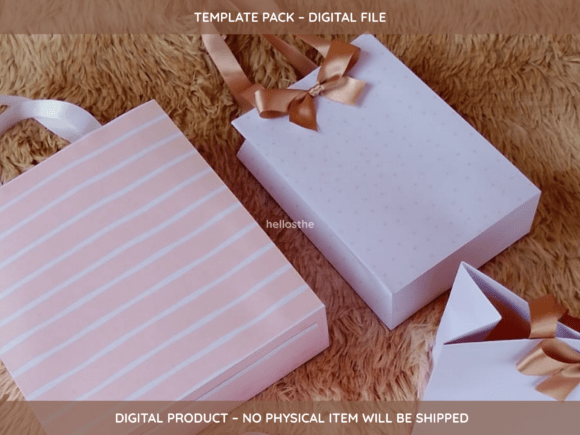
In the competitive landscape of retail and personal gifting, the unboxing experience has become as significant as the product itself. For small business owners, artisans, and event planners, the packaging serves as the first physical touchpoint a customer has with a brand. This is where Gift Bag Templates - Paper Bag resources become indispensable tools for creating custom, high-quality packaging without the prohibitive costs of large-scale manufacturing. By utilizing professional template packs, creators can bridge the gap between generic store-bought solutions and bespoke luxury packaging.
The Strategic Value of Custom Packaging
Packaging is no longer just a vessel for transport; it is a silent salesman. When a consumer receives an item in a beautifully designed paper bag, the perceived value of the contents increases immediately. For handmade brands and small enterprises, budget constraints often limit access to custom-printed boxes or bags with minimum order quantities in the thousands. However, leveraging digital Gift Bag Templates - Paper Bag files allows businesses to produce professional-grade packaging in-house or through local print shops in small batches.
This approach offers unparalleled flexibility. A bakery can switch from a floral design for spring to a minimalist geometric pattern for winter holidays simply by printing a new set of templates. The ability to adapt quickly to seasonal trends or specific marketing campaigns is a distinct advantage over traditional supply chains. Furthermore, using these templates supports sustainability efforts. Many creators opt for recycled kraft paper or FSC-certified stock when cutting out their own bags, aligning their packaging choices with eco-conscious consumer values.
Understanding the File Formats: PDF and PNG
When downloading a Paper Bag Template Pack, users typically encounter files in PDF and PNG formats. Understanding the specific utility of each format is crucial for achieving the best results.
- PDF (Portable Document Format): This is the industry standard for printing. PDF templates preserve vector data, ensuring that lines remain crisp and text remains sharp regardless of the scaling. They are ideal for sending directly to professional print shops or using with desktop printers that support borderless printing. The precision of PDF files ensures that fold lines and glue tabs align perfectly during assembly.
- PNG (Portable Network Graphics): These raster images are essential for digital customization. If a designer wishes to overlay a logo, add specific text, or manipulate the background texture using software like Photoshop or Canva, the PNG format provides a transparent background layer. This allows for seamless integration of brand elements before the final print.
Having access to both formats within a single pack maximizes versatility. A user might use the PNG to create a digital mockup for social media promotion and then switch to the PDF for the actual production run.
Workflow: From Digital File to Physical Product
Transforming a digital template into a tangible gift bag involves a straightforward but precise workflow. The quality of the final product depends heavily on material selection and assembly technique.
- Material Selection: Choose a paper weight appropriate for the intended load. For lightweight items like jewelry or soaps, 160-200 GSM (grams per square meter) cardstock is sufficient. For heavier items such as bottles or boxed goods, 250-300 GSM is recommended to prevent tearing. Textured papers, such as linen or kraft, add a tactile element that enhances the premium feel.
- Printing: Ensure the printer settings are set to "Actual Size" or "100% scale." Scaling the image even slightly can misalign the fold marks, making assembly difficult. For full-color designs, high-quality inkjet or laser printers are necessary to capture color depth accurately.
- Cutting and Scoring: Use a sharp craft knife or a guillotine cutter for clean edges. Crucially, score the fold lines before bending them. Scoring creates a groove in the paper fibers, allowing for sharp, professional folds without cracking the surface or leaving white crease marks. A bone folder or the back of a butter knife works well for this step.
- Assembly: Apply adhesive to the designated tabs. Double-sided tape often provides a cleaner finish than liquid glue, which can warp thin paper. Attach handles securely, ensuring they are centered and reinforced if the bag will carry significant weight.
Diverse Applications Across Industries
The utility of Gift Bag Templates - Paper Bag extends far beyond simple retail transactions. Various sectors leverage these tools to enhance their operational aesthetics and customer engagement.
Boutique Retail and Artisan Markets
For vendors at craft fairs or pop-up shops, consistency is key to brand recognition. Using a standardized template allows an artisan to maintain a cohesive look across different product lines. Whether selling candles, ceramics, or textiles, the packaging becomes an extension of the brand identity. Small businesses can print their logo directly onto the template area, creating a proprietary look that distinguishes them from competitors using generic wholesale bags.
Event Planning and Weddings
Event coordinators frequently require unique favor bags that match a specific theme or color palette. Off-the-shelf options rarely offer the specificity needed for high-end weddings or corporate galas. With customizable templates, planners can coordinate the bag design exactly with the invitation suite and table decor. This level of detail demonstrates professionalism and attention to detail, leaving a lasting impression on guests.
Educational and Community Projects
Educators and community leaders often utilize these templates for workshops involving design, mathematics, and engineering. Constructing a paper bag from a flat template teaches spatial reasoning and geometry. Additionally, schools can use these packs for fundraising events, allowing students to decorate the bags themselves, thereby adding a personal, handcrafted touch to sale items.
Design Considerations for Maximum Impact
While the template provides the structure, the design choices determine the visual impact. When customizing Gift Bag Templates - Paper Bag files, several factors should guide the creative process.
Typography and Readability: If the bag includes text, such as a brand name or a thank-you message, ensure the font size is legible from a distance. Script fonts convey elegance, while sans-serif fonts suggest modernity and cleanliness. Avoid cluttering the design; negative space is a powerful tool that draws the eye to the most important elements.
Color Psychology: Colors evoke emotions. Earth tones suggest natural and organic qualities, suitable for eco-friendly products. Bold, vibrant colors attract attention and imply energy, making them ideal for children's products or festive occasions. Black and gold combinations universally signal luxury and exclusivity.
Handle Integration: The template must account for the handle attachment points. Reinforcing these areas in the design phase—perhaps with a printed circle or a darker shade—can hide potential wear and tear. Twisted paper handles offer a classic look, while ribbon handles provide a softer, more decorative appeal. The choice of handle should complement the overall aesthetic of the bag design.
Cost Efficiency and Scalability
One of the primary drivers for adopting digital templates is cost efficiency. Traditional custom packaging often requires setup fees and massive minimum orders, tying up capital in inventory. In contrast, a Paper Bag Template Pack is a one-time purchase that can be used indefinitely. This model supports a "print-on-demand" approach, where bags are produced only as needed. This reduces waste and storage requirements, making it an ideal solution for startups and home-based businesses.
As a business grows, the workflow scales naturally. A solo entrepreneur might cut and fold bags by hand, but as volume increases, the same templates can be sent to a local commercial printer who can die-cut and score hundreds of units rapidly. The design asset remains constant, ensuring brand continuity regardless of the production method.
Troubleshooting Common Assembly Issues
Even with high-quality templates, users may encounter minor challenges during production. Being aware of these common pitfalls can save time and materials.
- Misaligned Folds: If the bag does not sit flat, the scoring lines may be inaccurate or the paper grain may be running in the wrong direction. Always check the grain direction of the paper; folding against the grain can cause resistance and bulging.
- Weak Bottoms: For heavier items, the bottom of the bag may sag. To mitigate this, consider doubling up the paper at the base or inserting a stiff cardboard insert cut to the exact dimensions of the bag's floor.
- Ink Smudging: When using laser printers on coated or glossy paper, ink may not adhere properly. It is advisable to run a test print on a scrap piece of the chosen material to verify compatibility before committing to a full batch.
Conclusion on Utility and Creativity
The availability of professional Gift Bag Templates - Paper Bag resources democratizes high-quality packaging. It empowers individuals and businesses to take control of their brand narrative, offering a level of customization previously reserved for large corporations. By understanding the technical aspects of file formats, material properties, and assembly techniques, users can transform simple sheets of paper into elegant vessels that enhance the value of their offerings. Whether for a solitary gift or a thousand retail units, these templates provide the structural foundation for creativity, proving that exceptional presentation is accessible to all who seek it.