Evaluating the Suitcase Box SVG for Paper Crafting Projects
The Suitcase Box SVG represents a specialized digital design file intended for use with electronic cutting machines. Unlike standard two-dimensional cut files, this specific design facilitates the creation of a three-dimensional paper structure that mimics the appearance of vintage luggage. For crafters, hobbyists, and small business owners who utilize die-cutting technology, understanding the capabilities and limitations of such a file is essential before beginning a project. This evaluation explores the practical applications, material requirements, and assembly considerations associated with this chic 3D paper box.
Understanding the Design and Functionality
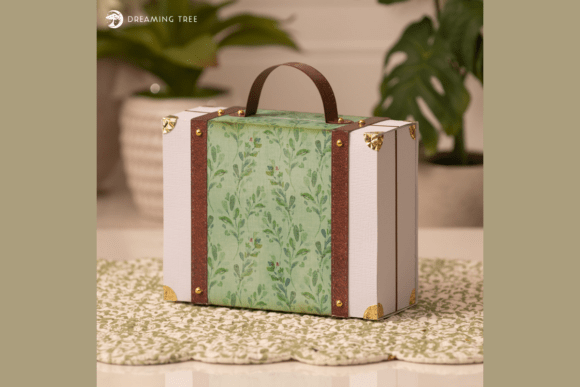
At its core, the Suitcase Box SVG is a vector file formatted specifically for compatibility with popular cutting software and hardware. The design is engineered to produce a miniature suitcase featuring realistic accents, including handle straps and corner protectors. These details are not merely decorative; they are structural components that contribute to the overall aesthetic of vintage charm while maintaining a compact and functional form.
The file is distributed in SVG format only, accompanied by a PDF legend. This legend serves as a critical reference tool, helping users identify individual pieces and plan their color schemes effectively. The design is optimized for 12×12 inch cutting mats, which is the industry standard for many consumer-grade machines. While the original dimensions are set at 5 inches in height, 6.5 inches in width, and 2.5 inches in depth, the vector nature of the SVG allows users to resize the project. However, it is important to note that significant resizing may alter the structural integrity or the proportional appearance of the detailed accents.
Ideal Use Cases and Applications
There are several scenarios where incorporating a Suitcase Box SVG into a crafting workflow offers distinct advantages. The primary appeal lies in its thematic versatility. Because the design inherently suggests travel, adventure, and exploration, it is an excellent fit for:
- Travel-Themed Gifts: The box serves as a unique container for gift cards, jewelry, or small keepsakes for friends or family embarking on a journey.
- Party Favors: For baby showers with a "journey" theme, bridal showers, or birthday parties centered around travel, these boxes provide a memorable alternative to standard favor bags.
- Display Pieces: Due to its sturdy construction and detailed appearance, the finished product can function as a decorative element on shelves or as part of a larger scrapbook layout.
- Event Decor: Multiple units can be created to serve as table centerpieces or place card holders for themed events.
The inclusion of a step-by-step video tutorial further enhances its suitability for users who may be new to 3D paper assembly, reducing the learning curve associated with complex folding and gluing sequences.
Material Requirements and Cost Considerations
One of the most significant factors in evaluating this project is the material investment required to achieve the intended look. The design relies on layering different textures and colors to simulate leather, metal hardware, and fabric linings. A typical supply list for a single unit includes:
- Three sheets of 12×12 Snowy White Cardstock (typically for the base structure).
- One sheet of 12×12 Maple Syrup Cardstock (often used for contrasting elements).
- One sheet of 8.5×11 Pattern Paper (for interior lining or exterior detailing).
- One sheet of 8.5×11 Leather Pattern Paper (to achieve the vintage luggage texture).
- One sheet of 8.5×11 Gold Foil paper (for buckles and corner accents).
In addition to paper, the project often benefits from embellishments such as ink for edge distressing, faux pearls or rhinestones for added elegance, foam squares for dimension, and an embossing folder to add texture to plain cardstock. High-quality adhesive is mandatory for ensuring the 3D structure holds its shape.
It is worth noting that the recommended cardstock is often specified as 80 lb cover (216 gsm). Using paper that is too thin may result in a flimsy box that cannot support the weight of contents, while paper that is too thick may be difficult to fold cleanly without cracking. Crafters must evaluate their current inventory against these specifications, as sourcing specific textured papers like leather patterns or gold foil can increase the per-unit cost significantly compared to simpler box designs.
Benefits and Tradeoffs
When deciding whether to proceed with the Suitcase Box SVG, one must weigh the aesthetic payoff against the time and resource investment.
Benefits:
- High Visual Impact: The finished product looks professional and intricate, offering a high perceived value that simple boxes lack.
- Customizability: While the design is fixed, the choice of paper patterns allows for endless variations to match specific color palettes or themes.
- Compatibility: Being fully compatible with all SVG-ready machines ensures accessibility for a wide range of users without needing proprietary file formats.
Tradeoffs:
- Assembly Time: Unlike a simple gift bag, this project requires precise folding, scoring, and gluing of multiple small parts. It is not a quick assembly project.
- Material Waste: The intricate cuts required for straps and corners may generate more off-cuts than simpler geometric shapes, potentially increasing material costs if using premium papers.
- Resizing Limitations: While the file is resizable, shrinking it too much can make the small details impossible to assemble, and enlarging it may require more paper than a single 12×12 sheet can provide for certain components.
Decision-Making Insights for Crafters
To determine if this design aligns with your goals, consider your primary objective. If you are looking for a mass-production solution for a large event where speed is the priority, a simpler box design with fewer layers might be more appropriate. The Suitcase Box SVG shines when quality and thematic relevance are paramount.
Furthermore, evaluate your skill level and patience. Although a video tutorial is provided, the assembly involves managing multiple layers and small components like corner protectors. Beginners should allocate sufficient time for their first attempt to ensure clean glue lines and sharp folds. Experienced crafters will likely find the process rewarding but should still account for the time needed to source the specific textured papers required to make the "leather" and "metal" elements look authentic.
Finally, consider the end recipient or purpose. If the box is intended to hold heavy items, ensure that the chosen cardstock weight (such as the recommended 80 lb cover) is strictly adhered to. For purely decorative purposes, lighter weights or alternative materials could be experimented with to reduce costs.
Conclusion
The Suitcase Box SVG is a robust digital asset for creators seeking to add a stylish and fun twist to their paper crafting repertoire. Its ability to capture the charm of vintage luggage in a functional 3D format makes it a standout choice for travel-themed projects. However, success with this design depends heavily on selecting the correct materials—specifically textured papers and sturdy cardstock—and dedicating the necessary time to careful assembly. By understanding the supply requirements and respecting the design's structural nuances, crafters can effectively decide if this project meets their specific creative and practical needs.