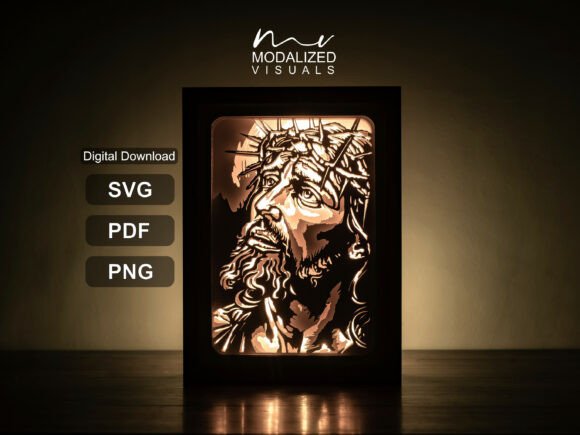
Elevate Design with Jesus Lightbox Art
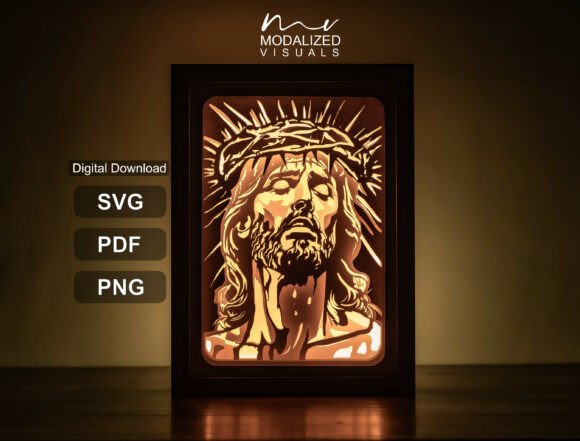
In the evolving landscape of visual storytelling, few concepts blend emotional resonance with structural depth quite like the Jesus Lightbox Paper Cut Shadow Box. For graphic designers and creative directors, this medium offers more than just a decorative element; it represents a masterclass in layering, lighting, and spatial composition. By integrating these principles into digital and print workflows, professionals can create branding and marketing assets that command attention and foster a deeper connection with audiences.
At its core, the aesthetic of a paper cut shadow box relies on the interplay of light and shadow to generate volume. When applied to graphic design, this translates to sophisticated use of drop shadows, gradients, and z-index layering in UI design or editorial layouts. The Jesus Lightbox Paper Cut Shadow Box specifically utilizes silhouettes and layered depth to evoke feelings of peace and hope. Translating this tangible artistry into digital formats allows brands to communicate warmth and authenticity, traits that are increasingly vital in modern brand identity.
Visual Depth in Brand Identity
Integrating the dimensional qualities of shadow box art into logo design and branding systems can significantly enhance visual hierarchy. Just as physical layers create a glowing effect when illuminated, digital designs can use opacity and blending modes to guide the viewer's eye. This approach is particularly effective for faith-based organizations, wellness brands, or any entity seeking to project stability and comfort.
Consider how the soft, meaningful scenes found in these lightboxes can inspire color palettes and typography choices. A design workflow that prioritizes these elements ensures consistency across various touchpoints. Whether you are developing social media graphics or packaging design, the goal is to maintain a cohesive narrative that feels both premium and approachable.
Practical Applications for Creators
The versatility of this aesthetic extends far beyond static imagery. Designers can leverage the concept of layered illumination across multiple mediums to improve user engagement and communication quality. Here are several ways to apply these principles:
- Social Media Content: Create carousel posts that reveal information layer by layer, mimicking the unfolding story of a shadow box.
- Web and UI Design: Utilize parallax scrolling effects to give depth to hero sections, making the user experience feel immersive and dynamic.
- Packaging Design: Incorporate die-cut windows or embossed textures that play with actual light, enhancing the unboxing experience.
- Editorial Layouts: Use overlapping text and imagery to create a sense of foreground and background, adding sophistication to magazines or brochures.
- Digital Marketing: Develop animated banners where light sources move across the screen, highlighting key calls to action.
Optimizing Visual Communication
When selecting design assets inspired by the Jesus Lightbox Paper Cut Shadow Box, scalability and readability must remain top priorities. A complex layered look works beautifully in large formats but can become muddy if not adjusted for mobile screens or small icons. Professional presentation requires adapting the visual weight of shadows and the contrast of light to ensure the message remains clear regardless of the device.
Typography plays a crucial role in balancing these intricate visuals. Clean, sans-serif fonts often pair well with detailed silhouette work, ensuring that the text does not compete with the imagery. Conversely, elegant serif typefaces can enhance the traditional and spiritual undertones of the design. The key is to establish a strong visual hierarchy where the light source—whether literal or metaphorical—directs the audience's focus to the most important information.
Ultimately, the power of design lies in its ability to evoke emotion while delivering a clear message. By drawing inspiration from the depth and warmth of layered paper art, creators can produce work that stands out in a crowded digital marketplace. Thoughtful integration of light, shadow, and composition not only improves aesthetics but also strengthens the overall communication strategy, proving that high-quality creative assets are essential for building lasting brand loyalty.