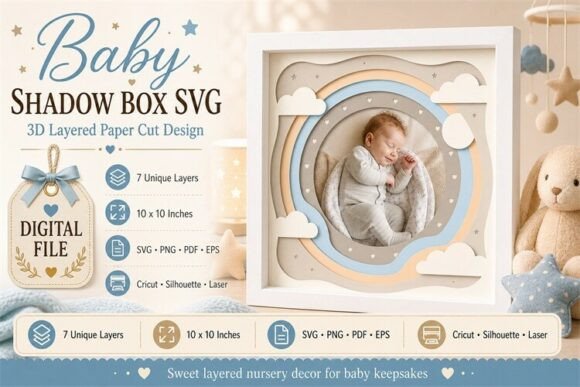
Pastel Rainbow Baby Shadow Box Design
Capturing the delicate essence of new life requires more than just a photograph; it demands a design that evokes emotion through depth and texture. The Pastel Rainbow Baby Shadow Box exemplifies this by transforming a standard baby photo frame into a multi-dimensional piece of art. For graphic designers and creative professionals, understanding how layered compositions like this 7-layer SVG work provides invaluable insight into creating visual hierarchy and emotional resonance in broader design projects.
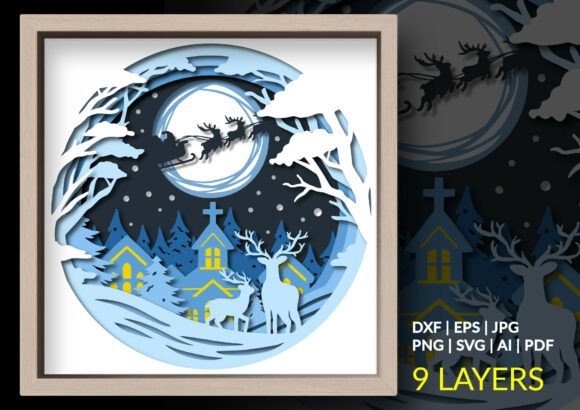
At its core, this design asset is a masterclass in spatial composition. By utilizing seven distinct layers of clouds, stars, and a central scalloped circle, the artwork creates a tangible sense of depth that flat images simply cannot achieve. In the realm of graphic design, this concept of layering is crucial. Whether you are developing a complex logo design or crafting an immersive UI design, the ability to guide the viewer's eye through foreground, midground, and background elements defines the quality of the visual experience.
Elevating Brand Identity Through Depth
While often associated with nursery decor, the principles behind the Pastel Rainbow Baby Shadow Box extend far beyond personal keepsakes. In branding and brand identity development, adding subtle depth can distinguish a brand from its competitors. Consider how modern packaging design increasingly relies on die-cut layers and textured finishes to create a premium unboxing experience. The same logic applies here: the interplay of shadow and light in a 3D papercut design teaches us how physical constraints can enhance digital concepts.
When evaluating creative assets for commercial use, designers should look for files that offer scalability and precision. High-quality SVGs, like those used in this shadow box project, ensure that lines remain crisp regardless of the output size. This is essential for maintaining a professional presentation across various mediums, from large-scale advertising campaigns to small social media graphics.
Practical Applications for Designers
The versatility of layered vector art allows for integration into numerous creative projects. Here is how the techniques found in this specific design style can be applied to professional workflows:
- Editorial Design: Use layered illustrations to break up text-heavy layouts in magazines or annual reports, adding visual interest without sacrificing readability.
- Digital Marketing: Adapt the soft color palette and whimsical shapes for campaign visuals that require a gentle, approachable tone.
- Web Design: Implement parallax scrolling effects inspired by the 7-layer structure to create dynamic user interactions on landing pages.
- Merchandise: Apply the cut-file logic to create physical products like greeting cards, invitations, or limited-edition prints.
Optimizing Visual Hierarchy and Color
A standout feature of this design is its color palette. The use of soft pastels creates a calming atmosphere, which is a strategic choice in visual design. Colors dictate mood; in UX design, selecting the right hues can reduce cognitive load and improve user retention. The pastel rainbow theme demonstrates how a restrained yet vibrant spectrum can unify diverse elements into a cohesive whole.
Furthermore, the central circular frame acts as a focal point, a fundamental principle of visual hierarchy. In any design composition, whether it is a poster or a mobile app interface, establishing a clear center of attention ensures the message is communicated effectively. The scalloped edge adds a touch of organic detail that softens the geometry, reminding designers that perfect circles are not always the most engaging choice.
Workflow Efficiency and File Compatibility
For professionals managing tight deadlines, the format of design assets matters immensely. The inclusion of SVG, PNG, and PDF formats in such packages supports a flexible design workflow. SVGs are ideal for cutting machines and scalable web graphics, while high-resolution PNGs serve perfectly for quick mockups or social media previews. Having access to these varied formats eliminates the need for time-consuming conversions, allowing creators to focus on the artistic execution rather than technical troubleshooting.
When incorporating such elements into client work, consistency is key. Ensure that the whimsical nature of the asset aligns with the client's existing typography and brand guidelines. A mismatched style can dilute brand recognition, whereas a well-integrated asset enhances the overall narrative.
Ultimately, the value of a resource like the Pastel Rainbow Baby Shadow Box lies in its ability to inspire thoughtful composition. It serves as a reminder that great design is not just about what is seen on the surface, but about the layers of intention beneath. By prioritizing depth, color harmony, and precise execution, designers can create work that not only looks beautiful but also communicates with clarity and impact. Investing in high-quality, versatile creative assets is a strategic move that elevates both the aesthetic appeal and the functional success of any visual project.